
Garage Doors
Custom Garage Door Installation, Repairs & Maintenance
- Home
- Garage Doors
Garage Door Installation, Repairs & Maintenance
Elevate Your Property with Quality Garage Doors Service

Looking for the perfect garage door for your home or business? At Garage Door Solutions, we understand that choosing the right garage door is about more than functionality—it’s about improving your property’s security, curb appeal, value, and ease of access. With decades of experience and a commitment to quality, we offer a wide range of garage door styles and openers tailored to suit homes and commercial properties throughout South Melbourne, the Mornington Peninsula, Bayside, and the Eastern Suburbs.
We provide expert consultation, custom design, precise installation, and ongoing support to ensure you receive a garage door solution that works flawlessly for years to come.
Why Garage Doors Matter – Garage Door Benefits: Security, Efficiency & Curb Appeal
A garage door isn’t just a utility—it’s a design feature, a security upgrade, and a practical asset for your property. Whether you’re building, renovating, or simply upgrading your existing door, a high-quality, professionally installed garage door offers many benefits:
- Security: Modern garage doors include locking systems, smart technology, and strong construction to protect your home and possessions.
- Thermal Efficiency: Insulated doors can help maintain indoor temperatures, reducing energy bills.
- Noise Reduction: Especially for homes with attached garages, quieter operation matters.
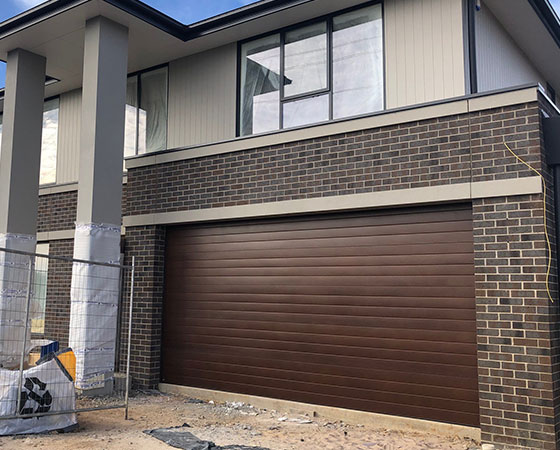
- Curb Appeal: The right door complements your façade and boosts property value.
Our Garage Door Installation Process – Expert Garage Door Servicing in Melbourne
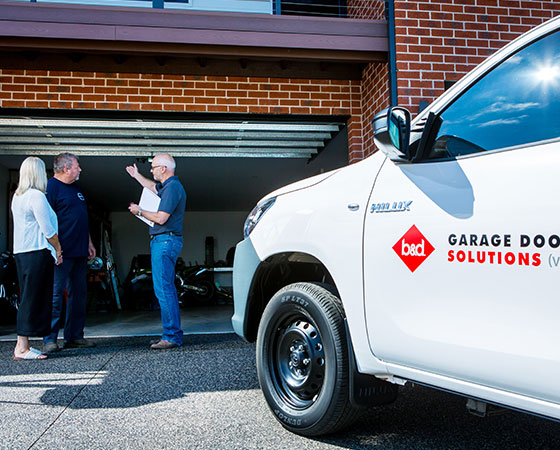
At Garage Door Solutions, our process starts with understanding you. We don’t just measure your opening—we listen to your needs, assess your lifestyle, and evaluate your site conditions. Whether you want added security, better insulation, or a stylish façade upgrade, we guide you to the best solution.
- Consultation – We meet on-site to discuss your preferences, access, usage patterns, and style requirements.
- Product Selection – You choose from a curated range of premium garage doors and openers from leading brands.
- Custom Design & Measure – Your door is tailored to fit your exact specifications.
- Installation by Professionals – Our expert technicians install with precision, ensuring lasting performance.
- Aftercare Support – We provide advice, servicing, and support long after installation.
Our Professional Garage Door Range – Wide Range of Garage Doors for Every Style & Budget
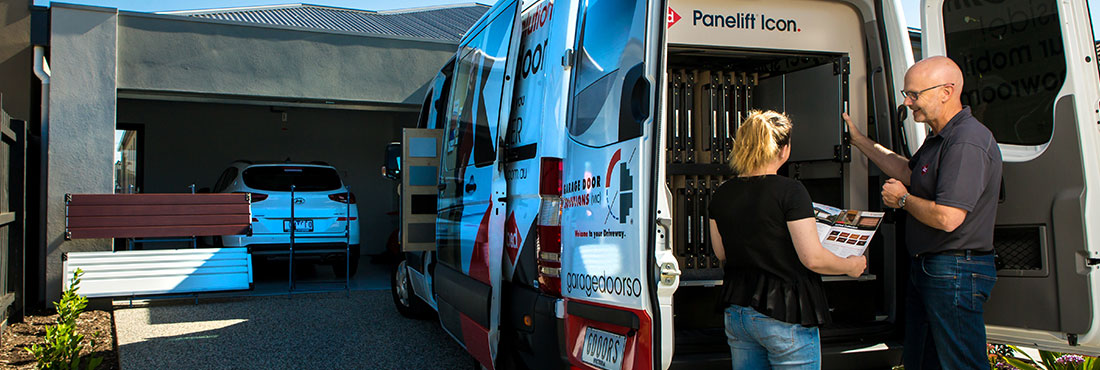
We offer an extensive selection of garage door types to suit all types of homes and commercial buildings. Every product is sourced from trusted Australian and global manufacturers, and installed with care by our highly trained team.

Roller garage doors are among the most popular and practical solutions in Australia, known for their compact operation and low maintenance needs. These doors roll up vertically and coil into a small box, making them perfect for properties with limited headroom or tight spaces.
Our roller doors are crafted from durable Colorbond® steel, available in a wide selection of colours to match your home’s exterior. They are ideal for both residential and light commercial applications. With reinforced locking bars, wind-lock systems, and optional automation, our roller doors provide excellent performance, longevity, and peace of mind.
Whether you’re replacing a worn-out door or fitting one for a new build, our team can customise roller doors to your width, height, and wind load requirements. We also offer slatted or perforated options for enhanced ventilation in commercial applications.

Tilt garage doors are the ideal solution for homeowners looking for a simple, space-saving, and elegant option. Designed as a single solid panel that tilts outward and upward, tilt doors are best suited for garages with limited side or ceiling space.
What makes tilt garage doors unique is their design flexibility. They are compatible with timber, Colorbond®, aluminium, or custom finishes—perfect for architectural homes and heritage properties. These doors can also be manually operated or fully automated for convenience.
Our tilt doors are built with safety in mind. The inclusion of counterbalanced spring systems, soft-close mechanisms, and safety sensors ensures smooth, reliable, and secure operation. We work closely with you to match your tilt door with your home’s aesthetic while ensuring it meets safety regulations and usage demands.
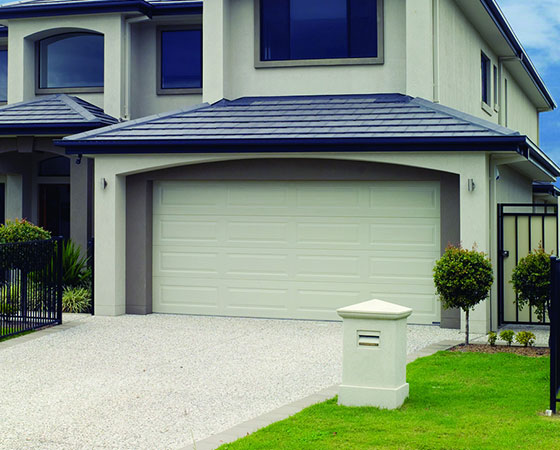
Sectional garage doors are the most versatile and visually appealing option for homeowners who want insulation, customisation, and convenience. These doors are made up of horizontal panels that open vertically and slide into the ceiling, offering a seamless, space-efficient design.
At Garage Door Solutions, our sectional doors (panel lift garage door) come in a wide range of profiles, colours, window options, and finishes—from sleek modern designs to traditional timber-look panels. You can choose from insulated and non-insulated models depending on your needs.
Insulated panel lift garage doors not only improve energy efficiency by maintaining interior temperatures but also reduce noise transfer from the street—ideal for homes with living spaces above or adjacent to the garage. With strong weather seals and smart home automation compatibility, sectional doors offer top-tier performance, durability, and modern convenience.

Automation transforms how you interact with your garage. Our range of high-performance garage door openers includes quiet belt-drive systems, heavy-duty chain-drive motors, and smart openers compatible with your mobile devices.
We supply and install openers from top-tier brands like Sommer, Merlin, Grifco, and ATA. Whether you’re automating a roller, tilt, or sectional door, we have the right motor to suit your needs, including high-cycle openers for commercial use.
Accessories include:
- Wireless Keypads
- Smartphone Integration
- Battery Backups
- Safety Beams
- Manual Release Systems
Enhance convenience, security, and ease of use with our fully integrated opener systems.
Why Choose Garage Door Solutions (Vic)?

When it comes to something as important as securing your home, enhancing street appeal, or streamlining daily access, the choice of garage door provider makes all the difference. At Garage Door Solutions (Vic), we bring over six decades of knowledge, craftsmanship, and personalised service to every project—earning us a reputation as one of Victoria’s most trusted names in garage door solutions.
Here’s why thousands of homeowners, builders, and businesses across South Melbourne, Mornington Peninsula, and beyond continue to choose us:
Over 60 Years of Industry Experience
Since 1962, Garage Door Solutions has been a family-owned business deeply rooted in the local community. Our longevity reflects our commitment to excellence, safety, and service. With thousands of successful installations completed across residential, commercial, and rural properties, our extensive experience allows us to recommend, install, and service garage doors with confidence and precision—no guesswork, just proven results.
Fully Customised Garage Door Solutions
We know that no two homes or garages are exactly the same. That’s why we don’t believe in a one-size-fits-all approach. From custom panel designs and color matching to specific size adjustments and insulation requirements, every garage door is custom-made to suit your individual needs, property layout, and aesthetic preferences. Whether you’re after a modern, minimal look or a classic tilt door with timber-look finish, we’ll work with you to bring your vision to life.
Premium Brands & Products You Can Trust
We proudly partner with Australia’s leading garage door manufacturers, including B&D, Steel-Line, Merlin, Grifco, Taurean, and more. These brands are renowned for their durability, cutting-edge technology, and compliance with Australian safety standards. Our access to a wide product range means you get the best in both performance and visual appeal—doors that are built to last and look great doing it.
Professional Installation with 10-Year Labour Guarantee
All our installations are carried out by qualified, licensed technicians with deep product knowledge and a keen eye for detail. We stand by the quality of our workmanship with a 10-Year Installation Labour Guarantee, giving you peace of mind and long-term reliability. We also handle all structural, technical, and electrical requirements—ensuring seamless integration into your home or commercial space.
Support You Can Rely On – Before, During & After
We don’t disappear after the sale. From the first consultation and quote to installation day and post-project support, our team is always available to help. Need help troubleshooting an opener? Looking to upgrade your remote system? Our friendly staff is just a call away, and we pride ourselves on honest advice, clear communication, and fast response times.
What Our Customers Say
EXCELLENT Based on 88 reviews
 Posted on Google
 Heman Jhangra31/01/2026
Trustindex verifies that the original source of the review is Google.
Posted on Google Aanchal Grover15/01/2026Posted on Google
 Dorothy M29/12/2025Would highly recommend Garage Door Solutions. They are very friendly, professional, efficient & punctual. Very happy with their work. Thank you Alan & Angelo.Posted on Google
 karin jardine22/12/2025Very pleasant to deal with. Garage Door solutions were very professional and helpful. Highly recommend.Posted on Google
 Nic Finger19/12/2025Easy quoting and install process. Good communication and got the job done with no fuss. Nice and simple processPosted on Google
 Zahera08/12/2025Posted on Google
 Myyar W216/11/2025Posted on Google
 Asrin Ghasrian15/11/2025I had an amazing experience with Garage Door Solutions (Vic). Their team was on time, friendly, and extremely skilled. They installed my sectional garage door perfectly and explained everything clearly. The pricing was fair, and the quality of work was outstanding. I’m very happy with their service and highly recommend them to anyone needing garage door installation or repairs.Posted on Google
 Katie Rabbidge22/10/2025Erin went above and beyond to help me with my garage remote issue and processing the warranty application. A simple issue with an easy fix that was so smooth thank you to her. Great communication and fantastic service.Posted on Google
 Michael Moore17/10/2025Garage Door Solutions has given us excellent service for an excellent result. Alan Pender is a knowledgeable, competent and amenable person who considered carefully all our concerns and organised the removal of our ancient door and the installation of a double roller door to meet our need. The company personnel are very friendly and adapted their services happily for our situation.
Get a Free Quote
Need expert garage door services in Berwick? From installations and repairs to servicing and carport conversions, we’re here to help.
We’re open Monday to Friday, 8am–4pm. Contact us today for a free, no-obligation quote.
Frequently Asked Questions – Your Garage Door Questions Answered by Industry Experts
How do I choose the right garage door for my home?
We consider your space, style preferences, budget, and usage needs. Our team provides tailored recommendations based on your property and lifestyle.
Are garage doors available in custom sizes?
Yes. All of our garage doors are made-to-measure to ensure a perfect fit for your garage.
What materials are available for garage doors?
We offer Colorbond® steel, timber-look finishes, aluminium, acrylic inserts, and even real timber on request.
Can I get a garage door that matches my home’s exterior?
Absolutely. We offer doors in dozens of colours, profiles, and textures to seamlessly complement your property.
Are insulated garage doors worth it?
Yes—insulated doors improve thermal efficiency, reduce noise, and enhance comfort, especially if your garage is attached to your living areas.
How long does garage door installation take?
Most installations are completed within a day. Complex projects or custom doors may require additional time.
What brands do you use?
We work with trusted Australian and global brands like B&D, Steel-Line, Taurean, Merlin, Grifco, and more.
Can I upgrade my existing door to automatic?
Yes. We can retrofit an automatic opener to most existing doors, provided they’re in good condition.
What maintenance do garage doors need?
We recommend servicing your door and opener annually. This includes lubricating moving parts, checking tension, and testing safety features.
Do you offer emergency garage door repairs?
Yes. We provide prompt repair services across our service areas for stuck doors, broken springs, opener issues, and more.
Can I get a timber-look door without the upkeep of real timber?
Yes. We offer high-quality timber-look finishes that replicate real wood without fading, warping, or maintenance.
How secure are your garage doors?
Our doors include robust locking systems, safety sensors, and are compatible with security add-ons like keypads and smart apps.
What is your installation guarantee?
We provide a 10-Year Labour Guarantee on all our installations, in addition to manufacturer warranties.
How do I know when it’s time to replace my garage door?
If your door is noisy, difficult to open, has dents, or lacks safety features, it may be time for an upgrade.
Do you install garage doors for new builds and renovations?
Yes. We work with homeowners, builders, and developers for all types of installations—from new homes to carport conversions.
Locations We Serve
Garage Door Solutions
Garage Door Services
- Copyright © 2026 Garage Door Solutions. All Rights Reserved
- Trademark Disclaimer: All product names, logos, and trademarks are the property of their respective owners and are used for identification purposes only.